
Executive Summary
Frothers are essential metal separation using flotation: they are a key component of what constitutes a froth. The froth is the last stage of the flotation process and all material that makes it to the concentrate has to pass through this stage. In other words, flotation outcome is directly dependent on the nature of the froth. Despite its importance, however, research to date has disproportionately focused on two-phase systems (foams) or three-phase systems with model solids and, although much valuable insights have come from said studies, the current state of knowledge in froths is such that no practical generalizations can be made for plant application nor guidance to operators. Furthermore, relative to collectors, frothers are perceived as secondary in importance and typically, no systematic evaluation is carried out in feasibility studies. In fact, most new mines will start the operation using MIBC and will be forced to change their frother within the first 12 months, due to poor or non existing frother screening pre operation. Therefore, the right approach to frother selection and optimization is key for optimum metallurgical outcome. Syensqo uses its Frother Select-a-Guide expert system (based on fundamental principles) to assist in selecting candidates for evaluation, and the newly-developed Syensqo Cube to carry out optimization directly in the plant. These two key tools, together with Syensqo's expertise, serve the customer by helping to make the right choice of frother from the outset and tailor a robust solution for best flotation results.
General Comments / Major Considerations
Frother Fundamentals
The most widely used frothers can be classified into two main categories: alcohols and polyglycols (and their monoalkyl ethers) (see Figure 1). These constitute about 90% of all frothers used, and although other frother types such as triethoxybutane (TEB), pine oil (⍺-terpineol) and cresylic acids are used, the volumes of these used in the industry are much smaller by comparison. Other chemistries including aldehydes, ketones and esters are not used as frothers as such but are typically only present as impurities in alcohol-based frothers.
| Aliphatic Alcohols (and Isomers) | Polyethylene- and Polypropylene Glycols (and their Monoethers) |
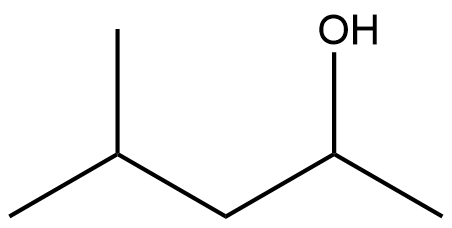
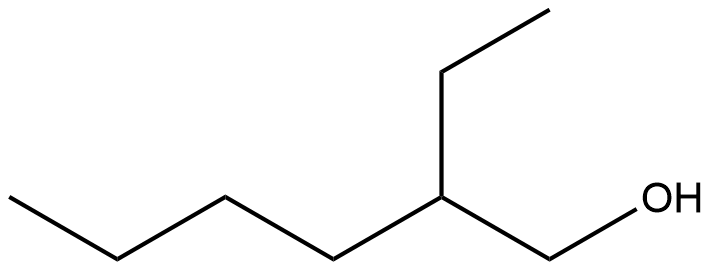 | 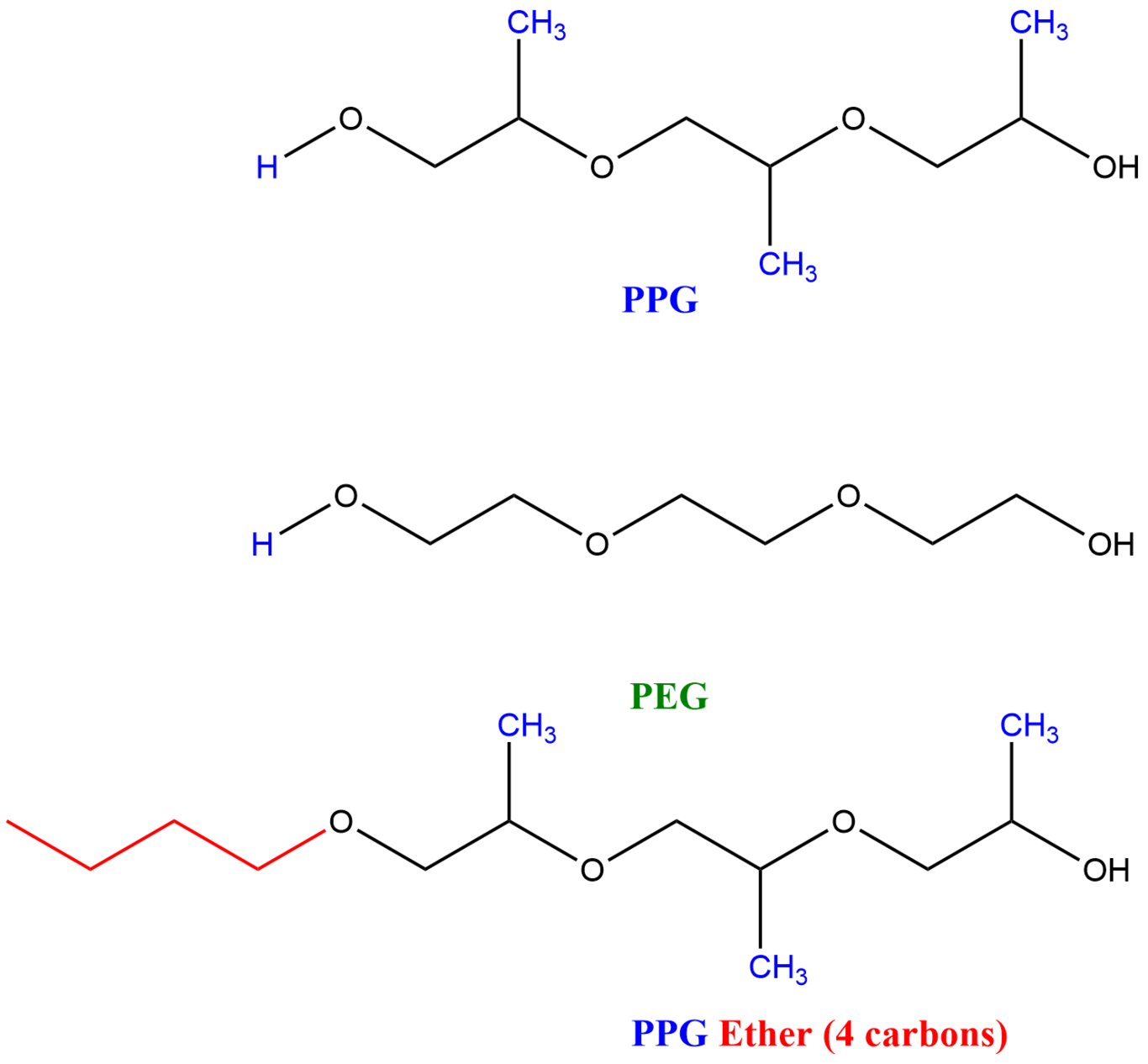 |
As shown by Booth and Freyberger1, solubility, surface activity and diffusion rates are the key parameters in determining frother performance. Although molecular weight and branching determine performance5, these can ultimately be related to the parameters listed previously4. Alcohols have very low solubility whereas polyglycols (and their alkyl ethers) can be completely miscible in water, depending on the structure. Given the low concentrations of frother typical of flotation plants, solubility is not a limiting factor, however. The molecular behavior of frothers results in evident macroscopic phenomena that are in line with the purposes for which they are used.
The purposes of a frother include the following:
- Reduce the average bubble diameter by preventing bubble coalescence (Finch, Nesset and Acuña, Minls Eng 2008).
- Increase bubble residence time and surface area, and as a consequence, surface area flux, Sb, available to transport the particles.
- Generate a transient froth by enhancing the transient stability of thin liquid films in the froth zone. What this translates to is: a froth stable enough to take the particles out of the cell, but brittle enough to collapse once outside of the cell allowing the material to be pumped effectively.
Molecular characteristics will determine the ability of frother molecules to form hydrogen bonds with water, therefore it will also control the amount of water recovered and their mass transfer from bulk solution to the air-liquid interfaces, as well as their orientation and packing at the interface5. As shown in Figure 2, polyglycol molecules present multiple hydrogen bonding sites along their length. These water molecules in turn engage other water molecules from bulk solution and result in a water “film” to be associated with each bubble interface. One consequence of the hydrogen-bonding ability of polyglycol molecules is the generation of “wetter” froths, i.e. froths that carry a greater amount of water. By contrast, alcohol-based frothers have little ability to hydrogen bond with water molecules and thus lead to drier froths.
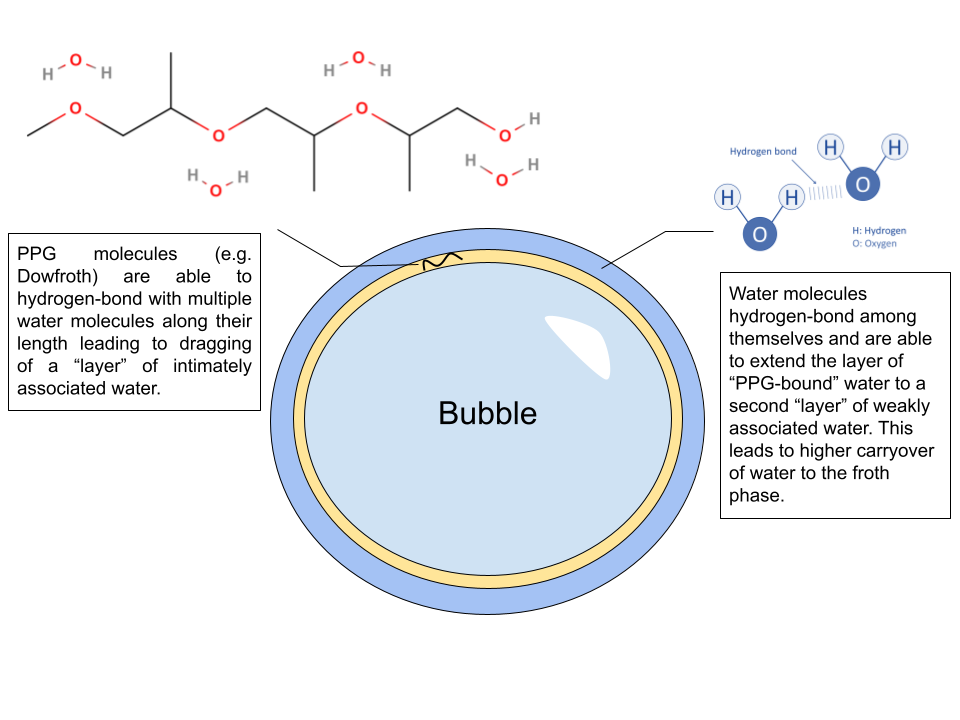
The hydrogen-bonding is also believed to lead to increased viscosity in the vicinity of the bubble and as a consequence to increased drag. In turn, the bubble rises more slowly and its residence time in the cell is increased, potentially leading to increased probability of particle-bubble collision. The slower bubble rise velocity is also believed to be a result of surface concentration gradients of surfactant that are formed from the flow of water downward as the bubble rises in the pulp.
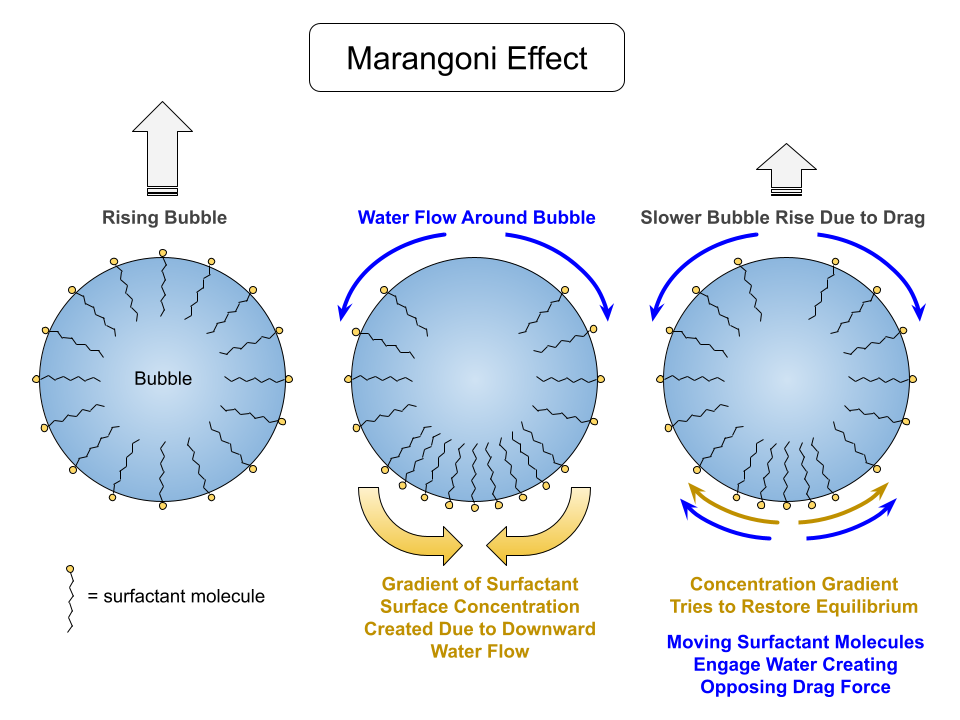
Other more subtle molecular factors include placement and number of hydroxyl groups within the molecule as well as intramolecular hydrogen-bonding which are outside of the scope of this writing but have been addressed extensively in the literature4. These molecular processes are responsible for a great part of the differences between alcohol and polyglycols.
Thus, the main differences between weak and strong frothers based on the thickness of the bubble film (or membrane):
- Weak frothers form froths in which the bubble membrane is relatively thin. Such froths tend to carry less water (i.e. are dry), to entrain less gangue slimes (i.e. they are selective), and are relatively less stable and persistent. Example: MIBC, AEROFROTH 70, AEROFROTH 88.
- Strong frothers form froths in which the bubble membrane is relatively thick. Such froths tend to carry more water (i.e. are wet), to entrain more gangue slimes (i.e. they are less selective), and to be relatively stable and persistent. Example: OREPREP F 549, AEROFROTH 65, OREPREP F 507.
Regardless of the mechanisms of action of frothers at the molecular level, they are ultimately judged by the metallurgy obtained from their use, namely, the recovery of values as well as the grade of the concentrates generated. That is to say, they are judged by their selectivity (i.e. efficiency to recover hydrophobic particles without recovery of hydrophilic gangue ) as well as their carrying capacity (how much mass the froth zone is able to carry into the launders), where these are related to concentrate grade and value recovery, respectively. However, there are many other metallurgical parameters by which any two frothers are compared, for example: water recovery, fine/coarse particle recovery, froth mobility, and balance between strength and persistence along the circuit.
Aside from purely chemical considerations, it is also important to consider the physical parameters such as buoyancy. For example, given that polyglycols have a better ability to prevent bubble coalescence, the average bubble diameter will be kept smaller when using this class of frothers. Therefore, the smaller volume of the bubbles results in a lower buoyant force upward (as determined from the difference in density of the bubble and that of the medium it is in) and a slower rising velocity (in addition to the Marangoni effects discussed earlier). The overall effect is that the residence time of the bubbles in the pulp is increased and with it the probability of particle attachment onto the bubbles.
There are major differences between alcohol frothers and polyglycol frothers. Table 1 makes a comparison on many practically-relevant attributes between these two classes.
| Attributes | Light Alcohols | Heavy Alcohols | Propylene Glycols (and Ethers) |
| Carrying Capacity |
|
|
|
| Flotation Kinetics | Faster kinetics | Intermediate kinetics | Slower kinetics |
| Bubble Size | Require a higher dosage to attain bubbles of a given size (higher CCC) | Require a relatively lower dosage to attain bubbles of a given size | Require a lower dosage to attain bubbles of a given size (lower CCC) |
| Selectivity | Greater selectivity due to:
| Lower selectivity due to:
| |
| Stability |
|
| |
| Sensitivity to Conditions |
|
|
Importance of the Froth Zone
The froth zone in flotation is one of the most neglected areas in research. This oversight, although understandable given the complexity of such a zone, is quite unjustified given that the froth zone is the final separation stage through which all material that ends up in the launders must flow and, therefore, directly impacts flotation outcome. Most fundamental studies to date have disproportionately focused on measurements of 2-phase foams or, in the case of 3-phase studies, in the presence of model (or even unrepresentative) solids. Concepts that have emerged from such reports include: critical coalescence concentration (CCC), bubble size distribution, superficial gas velocity, foamability index, gas and water holdup, peak foam height, foam collapse rate, among others2, 3, 6. Although these studies have undoubtedly provided insights as to certain aspects of froth behavior, the state of knowledge is yet such that commonly-observed and measurable features of the froth zone are still unable to provide a rational basis for reagent optimization, and of frothers in particular (SME Handbook). Moreover, these concepts have not yet been able to inform control strategies or manipulation of the froth zone in a plant or even of frother selection. This is due to the paucity in reports that directly study three-phase systems in the context of real ores, and therefore there is still much to be determined on the role of gangue mineral type, size, content, shape, as well as the role of water chemistry and the various species interactions (frother-collector, frother-mineral, etc.).
The characteristics of the froth as well as the efficiencies of separation between value and gangue minerals are influenced by chemical, mechanical and operational factors, a few of which are listed in Table 2.
| Froth Characteristics | Influencing Parameters |
|
|
Qualitative descriptors of the froth zone used in the industry include: well-knit/close-knit, watery or dry, lots of windows/clean windows, stable, effervescent, persistent, evanescent (i.e. quickly-fading), sticky, brittle, free-flowing, mobile, selective/non-selective, loose, lathery, etc. These allow operators to communicate the characteristics of the froth that carries a certain connotation that will depend on the context of the given operation. At the moment, unfortunately, it is impossible to predict ahead of time the characteristics of the froth or make generalizations across the industry given our currently limited understanding of the complexity of the froth zone. Therefore, any statements about froth characteristics are necessarily conditional and taking any as absolutes should be avoided. One of the central components (though not exclusively) that play into froth characteristics are clearly frothers. In like manner to the froth zone itself, fundamental knowledge on frothers has fallen behind, say, that of collectors. Nevertheless, the right approach to frother selection can lead to saved time and, more importantly, improved metallurgical performance. Following is a discussion of frothers follower later by Syensqo's approach for their selection towards addressing a customer’s specific needs.
These principles tied to Syensqo's expertise of their use in various ore types around the world form the basis of our expert system as will be discussed later in the Traditional Strategies/Syensqo's Approach section.
Challenges Faced
Periodic processing of highly problematic ores containing high amounts of talc, clays, carbonates and carbonaceous matter.
The need for strong frothers that do not persist in downstream processes, e.g. a powerful frother in the rougher stage suitable for coarser material but selective in the cleaning stage.
The need to change the frother due to changing ore characteristics or due to improper evaluation of alternatives.
Overdosing or underdosing of frother leading to excessive froth or weak froth, respectively.
Changing collector and/or other modifiers without regard to the role of frother, leading to unintended issues.
Changes in froth composition, must be followed by adjust in the plant operational strategy, especially in froth height control to composite for exemple for:
- Excessive carryover of water to the launders, leading to circuit overflow.
- Excessive carryover of mass to the cleaners.
Traditional Strategies / Syensqo Recommendations
Frother Selection
As previously mentioned, fundamental knowledge on the principles of frother action lags behind that of collectors and, much like the froth zone itself, generalizations cannot yet be made across the industry. Without consideration of basic principles and a handle of the context in which frothers are to be applied, frother selection can be a complex task. This is especially true, given the dependence of frother behavior on pulp chemistry, cell type, pH, grind, and in particular, gangue mineralogy. To quote Peter Riccio, senior research engineer in the mineral processing group:
“In collector selection, you are focused on 1% of the ore; in frother selection, you are focused on the 99% remaining”
Therefore, the right approach to frother selection is crucial and synonymous with optimal metallurgical outcome. Traditionally, frother selection is made by defaulting to commonly used commercial products without much regard for the context in which these will be used. In fact, a majority of new mines start with MIBC as the frother, but 75% of these mines change the frother within the first 12 months. Syensqo makes use of its Frother Select-A-Guide expert system to select the best set of frother candidates based on a customer’s specific needs and ore characteristics. The system compares the plant needs as determined by a simple survey, with a database of thousands of potential frother blends effectively narrowing down the selection of the products and, as a result greatly improving the success rate of this endeavor and also reducing the time needed to select a proper frother for a specific site. Figure 3 shows an example of part of the output of the Select-A-Guide in which a comparison between the performance of three different frothers is made, simplifying the understanding of what will be tested in the plant giving the metallurgist a better understanding of what to expect and direction on how to adjust the frother dosage and plant condition sto the new chemistry.
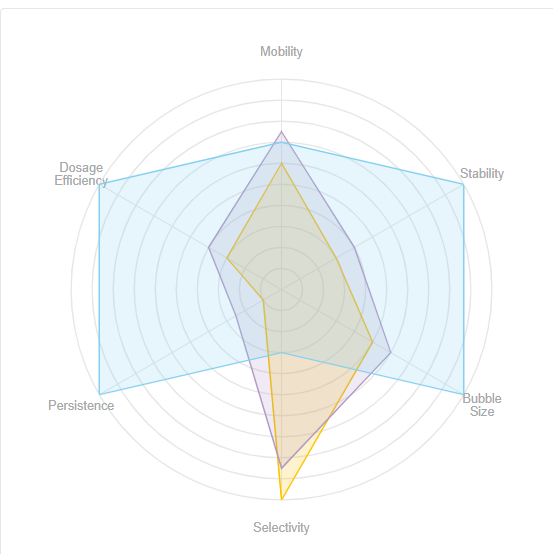
Finally, the frothers selected then constitute a set for laboratory evaluation and/or direct evaluation in the plant. Towards this latter approach, Syensqo has developed the Syensqo Cube dosing system, that allows real-time and automatic optimization of the chosen building blocks in the plant as discussed below.
In summary, careful selection of the most appropriate frother, combined with practical application expertise, is essential for maximizing mineral separation (SME Handbook).
Laboratory Evaluation of Suggested Frothers
Given the conditional nature of frother performance and the state of fundamental knowledge, testwork is necessarily directional and test conditions have to emulate as best possible those encountered in the plant. Laboratory test work should therefore aim at scoping the best conditions for the selected frother candidates and optimization should be relegated to the plant-scale evaluation.
This is mainly due to the fact that laboratory cells have very different (and more efficient) hydrodynamic conditions than industrial flotation cells and columns and therefore are not entirely suitable or representative of actual conditions. Furthermore, the stage at which frothers will be applied (i.e. rougher, cleaners, etc.) represent largely different conditions in all respects aside from purely hydrodynamic considerations.
Plant Optimization
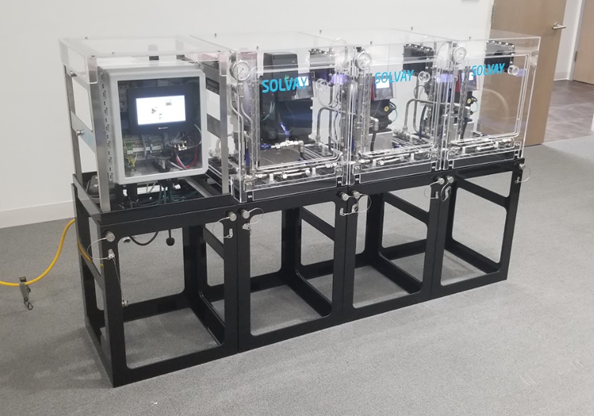
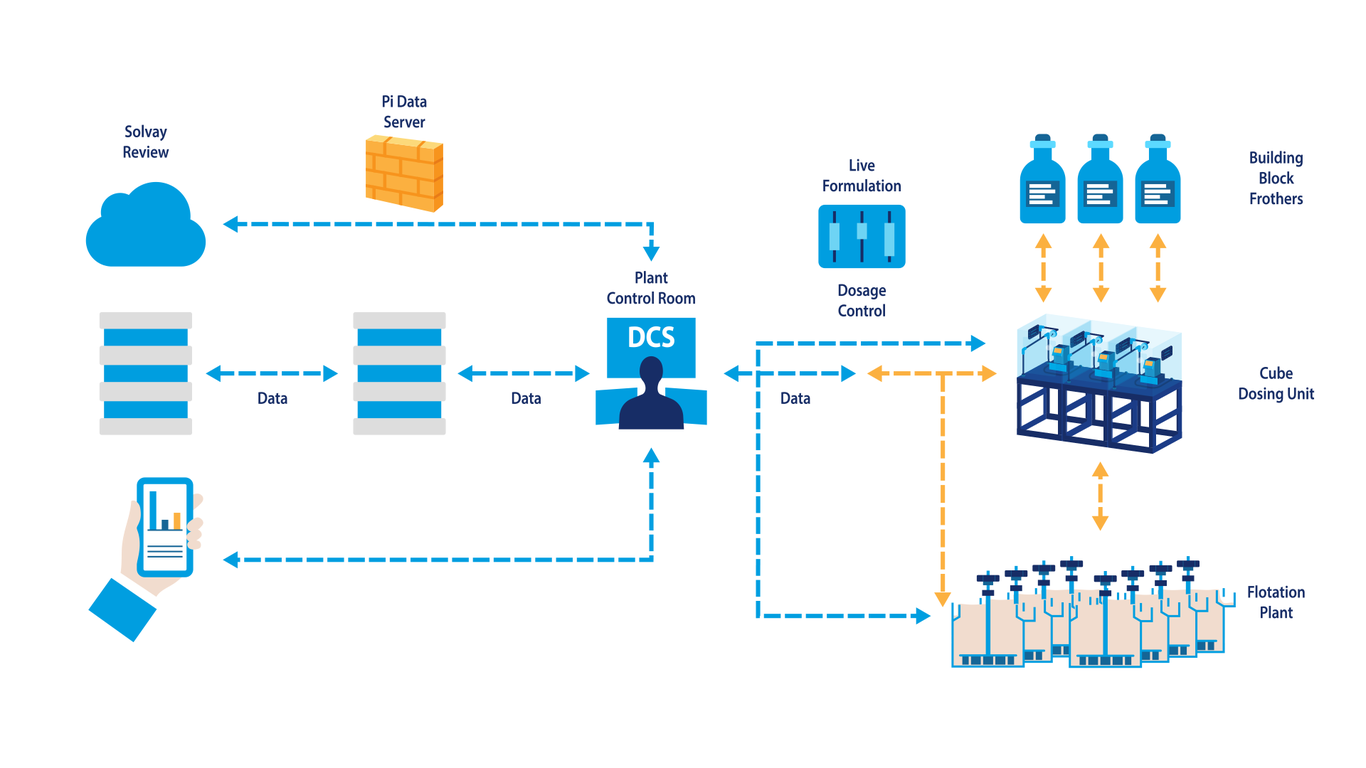
Optimization of frother dosage is best carried out in the plant. This optimization step addresses the naturally-encountered plant variability and thus seeks to achieve flotation circuit stability. Given that plant variability is by definition a dynamic phenomenon, frother dosage and composition should also be dynamic in order to adapt to the changing conditions. Syensqo has developed the Syensqo Cube (Figure 4), a special modular dosing system that draws from a predetermined set of frother building blocks, communicating with the plant’s DCS system and in charge of “live formulation” of tailored frother blends. Figure 5 shows a schematic of how the system works in the context of a plant.

For a few case studies of the deployment of Solvay’s cube please refer to our case studies.
References
- Booth, R.B., Freyberger, W.L. Froth and Frothing Agents. In: Fuerstenau, D.W. (Ed.), Froth Flotation, 50th Anniversary Volume. AIME, New York, pp. 258–276 (1962).
- Cho, Y. S. and Laskowski, J. S. 2002. Effect of flotation frothers on bubble size and foam stability. International Journal of Mineral Processing 64(2–3): 69-80.
- Finch, J. A. and Zhang, W. 2014. Frother function–structure relationship: Dependence of CCC95 on HLB and the H-ratio. Minerals Engineering 61: 1-8.
- Nagaraj, D.R., Farinato, R.S. and Arinaitwe, E. Flotation chemicals and chemistry. Chapter 7.5 in SME Mineral Processing and Extractive Metallurgy Handbook. Society for Mining, Metallurgy & Exploration; 2019 Feb 1. Editor: Young, C.A.
- Tan, Y.H. and Finch, J.A. Frothers and gas dispersion: A review of the structure-property-function relationship. Physicochem. Probl. Miner. Process. 54(1):40-53 (2018).
- Zhang, W., Nesset, J. E., Rao, R. and Finch, J. A. 2012. Characterizing Frothers through Critical Coalescence Concentration (CCC)95-Hydrophile-Lipophile Balance (HLB) Relationship. Minerals 2(3): 208-227.